
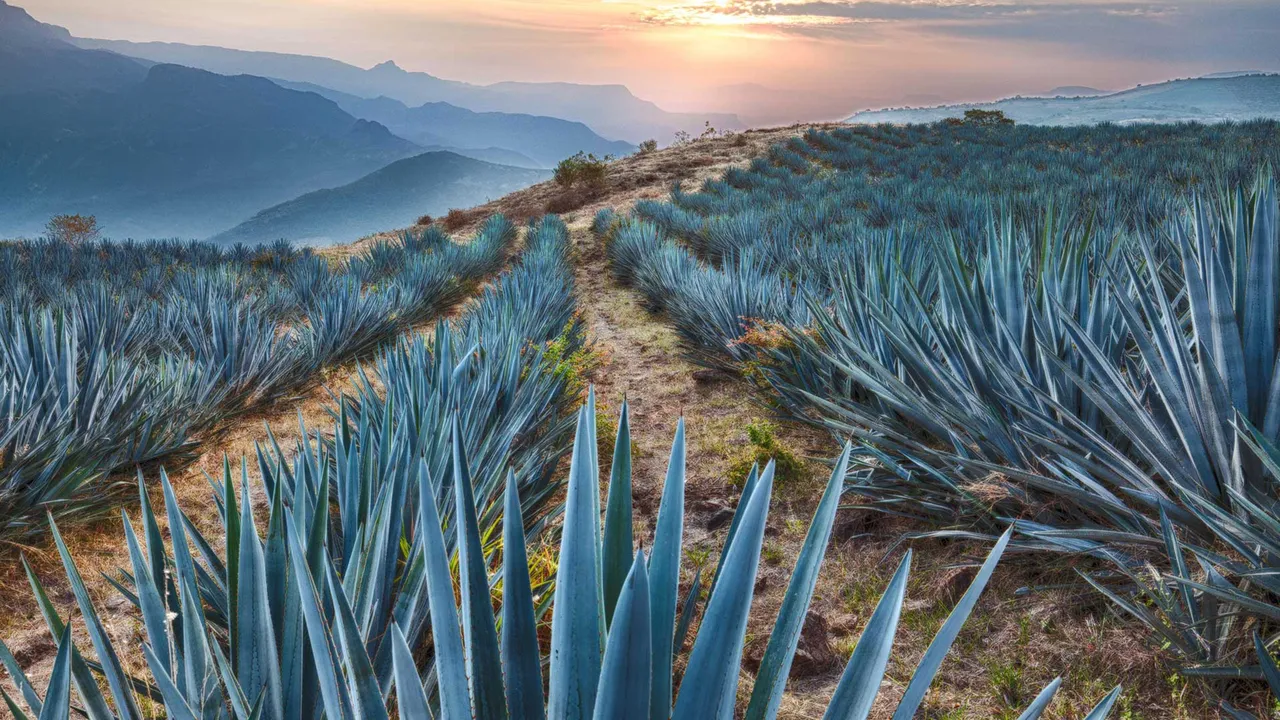
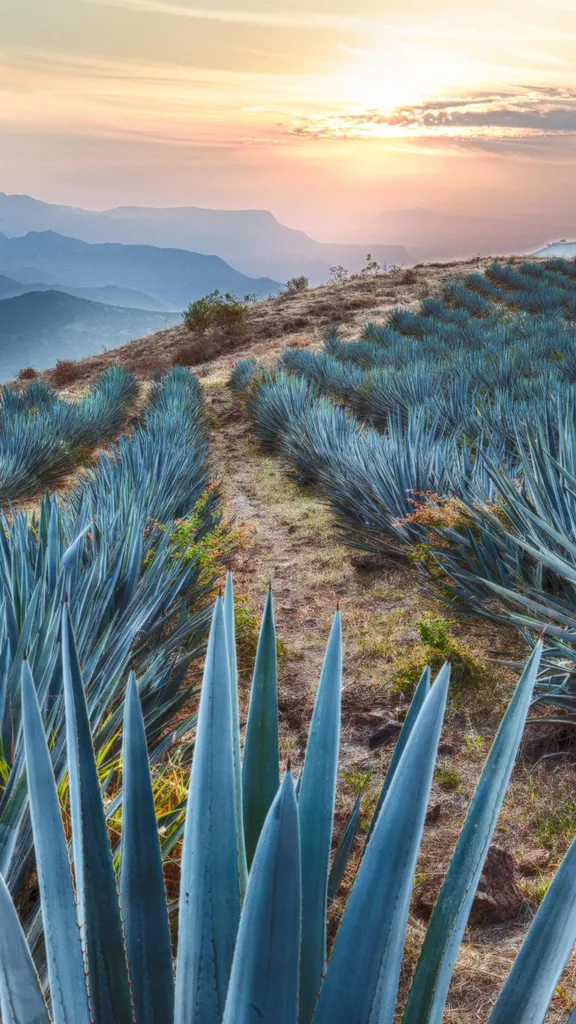
Field of blue agave near Tequila, Jalisco, Mexico (© Brian Overcast/Alamy)
Cinco de Mayo marks a defining moment in history: on May 5, 1862, a smaller Mexican force defeated the French army at the Battle of Puebla, slowing France's attempt to expand its control over the country. It's not Mexico's Independence Day—that's celebrated in September—but a symbol of resilience that later took on special meaning in the United States, where it grew into a celebration of Mexican heritage and culture.
The image of blue agave fields near Tequila, Jalisco, adds another layer to the story. These spiky plants shape a UNESCO-listed cultural landscape, recognized in 2006 for centuries of agave cultivation and tequila production. Blue agave has been used here since the 16th century, linking land, labor, and tradition in a living landscape that remains central to Mexican identity today.
Together, history and landscape remind us that Cinco de Mayo is rooted in real events—and real places.